A recruit once told me they did not think they could stay in Defence because raised voices reminded them of their traumatic childhood. I have since learned that childhood trauma is a big indicator of the likelihood of Post-Traumatic Stress Disorder (PTSD) or maladaptive coping strategies developing when soldiers experience trauma. It seems we can only cope with so much, or that our coping mechanisms are learned early and sometimes need support.
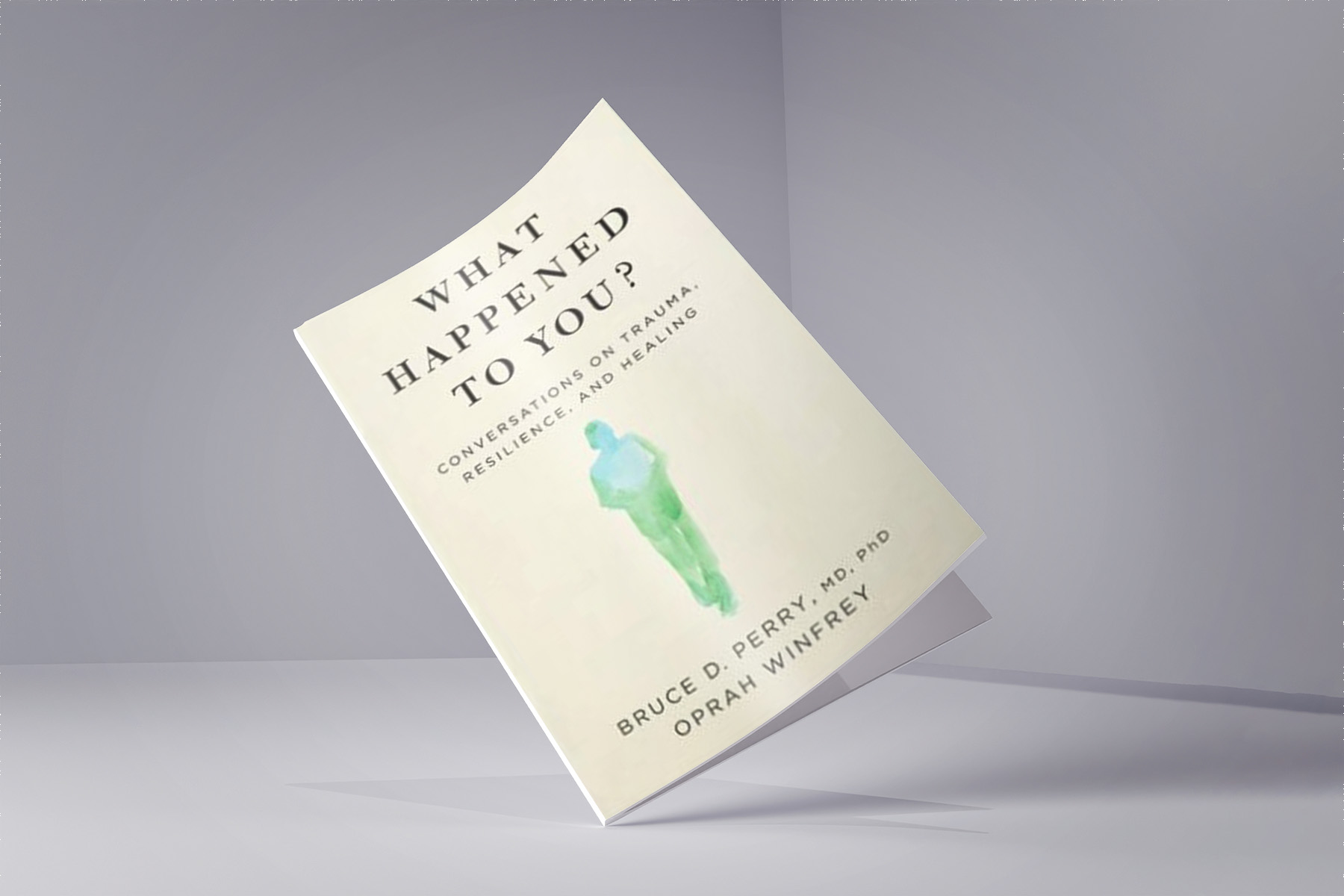
I am a keen student of resilience and empathy, and so, as an exercise in personal and professional growth on the theme, I turned to What Happened to You? It was a timely read for me to reflect on my own life journey and how I support others, particularly given that June is PTSD and Trauma Awareness month with PTSD day on June 27.
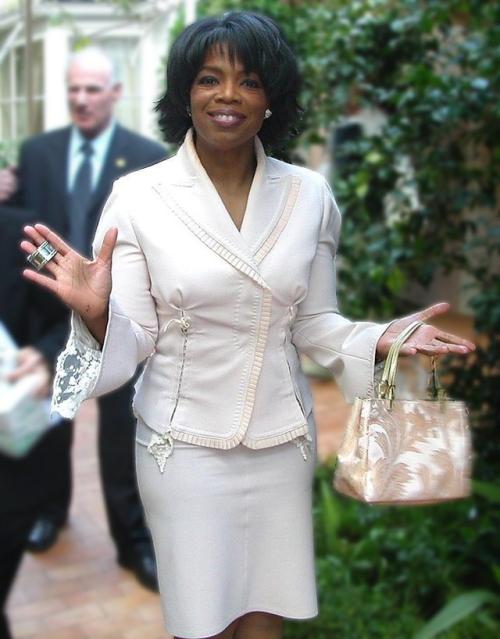
Dr Bruce Perry is a renowned expert in brain development and trauma. Oprah Winfrey, over 25 years on her show, interviewed hundreds of people who experienced traumas and has been a strong advocate and generous philanthropist for education and treatment. Their collaborative book suggests that healing begins with shifting from “What’s wrong with you” or “Why are you behaving that way?” to a more empathetic “What’s happened to you?”
That question is key for recovery because what happens in childhood is a powerful predictor of health problems in adulthood. The authors illustrate this with dozens of stories and a wealth of research-backed understandings of trauma and therapeutic responses. The book sensitively includes heart-wrenching accounts of awful trauma and its consequences, yet also beautiful narratives of healing and forgiveness. Central to these are Oprah’s own experience of isolation and beatings, but also how this fuelled her desire to help others and capitalise on her post-traumatic wisdom. Oprah concludes, for example:
Before getting to that point, however, Oprah had to understand trauma and the brain’s responses. Basically, when stress is unpredictable, extreme and prolonged, our system becomes overreactive. It cascades the risk of mental and physical ill effects. The resulting dysregulation means people are more likely to turn to behaviours or substances that can become addictions in order to cope. This helps readers understand paths of drug addiction or cutting, and how to navigate to more healthy responses. The book also identifies PTSD symptoms that are intrusive, avoidant, changes to mood and thinking, and/or alterations in arousal and reactivity. There is also a helpful section on how trauma can be passed on and experienced intergenerationally.
On the other hand, predictable, moderate and controllable challenges, such as experiences in sport, music or outdoor education, can foster stronger stress-response capability; i.e. resilience. Everyone needs challenges (or relatively moderate activations of the stress response) in order to build physical, emotional and social health, but the challenges need to come with a scaffolding of support and not too much fear. When someone has a traumatic background or previous experiences of trauma, then future challenges can be a toxic mismatch for their health.
My favourite chapter was “Relational Hunger in the Modern World”. It underscores that, just as relationships with parents, teachers, and coaches are foundational for developing resilience, so too are relationships central to healing and recovery when we have been stretched beyond our coping. Isolation and loneliness are epidemic. Too many people seem comfortable with their technology and iPhones, but disconnected from family and friends, even over the traditional dinner table. In the Western world, we have a lot to learn from the relational and intergenerational connections of other cultures and faith groups.
Discussing the importance of relationships, including teachers and coaches, in supporting and scaffolding young people to grow, reminded me of the importance of quality instructors. Empathetic ADF instructors who are trauma-informed in their teaching and counselling of the next generation of sailors, soldiers and aviators will help them navigate traumas past and future. It takes courage for an individual to see what happened to them, to peel back the layers and face the raw truth of the past. People can “break the cycle” of abuse or trauma and not live out of or pass on its negative or toxic effects. A skilled therapist such as Dr Perry may help that process. But empathetic mates and instructors also help facilitate that journey. Defence has some new Trauma-Informed Care training available to resource this – available on Adele.
If you prefer listening to reading, Oprah and Dr Perry introduce their book in a YouTube What Happened to You? (0:50), discuss its lessons for students, teachers and policy-makers in Oprah Winfrey & Dr. Bruce Perry in Conversation | SXSW EDU 2021 (39:51), and are interviewed by Brené Brown, Unlocking Us with Oprah and Dr Perry (1:15:28).
What Happened to You? is an honest and insightful deep-dive into the science and lived experience of trauma and the pathways to resilience and healing – highly recommended for anyone affected by trauma, as well as family members, health professionals, and Commanders seeking to understand and care for them.
Notes:
Publisher details: Bruce D Perry & Oprah Winfrey, What Happened To You? Conversations on Trauma, Resilience, and Healing (London: Bluebird, 2021). ISBN: 9781529068474 (pbk).
This review was originally published in Grounded Curiosity.





Comments
Start the conversation by sharing your thoughts! Please login to comment. If you don't yet have an account registration is quick and easy.