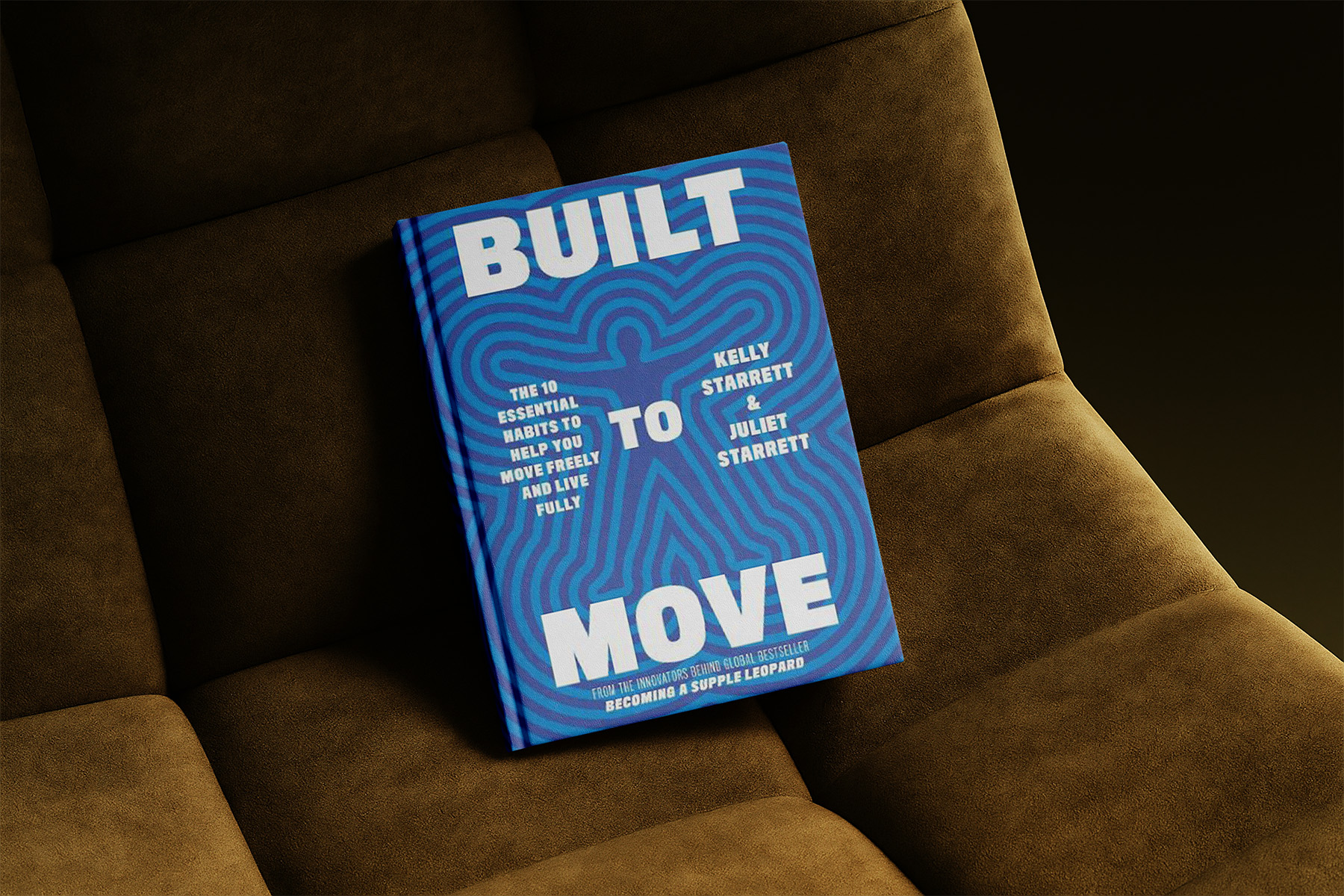
Built to Move is the best book I have read on body resilience – offering physical returns on investment for athletes, parents, and workers, including sailors, soldiers and aviators.
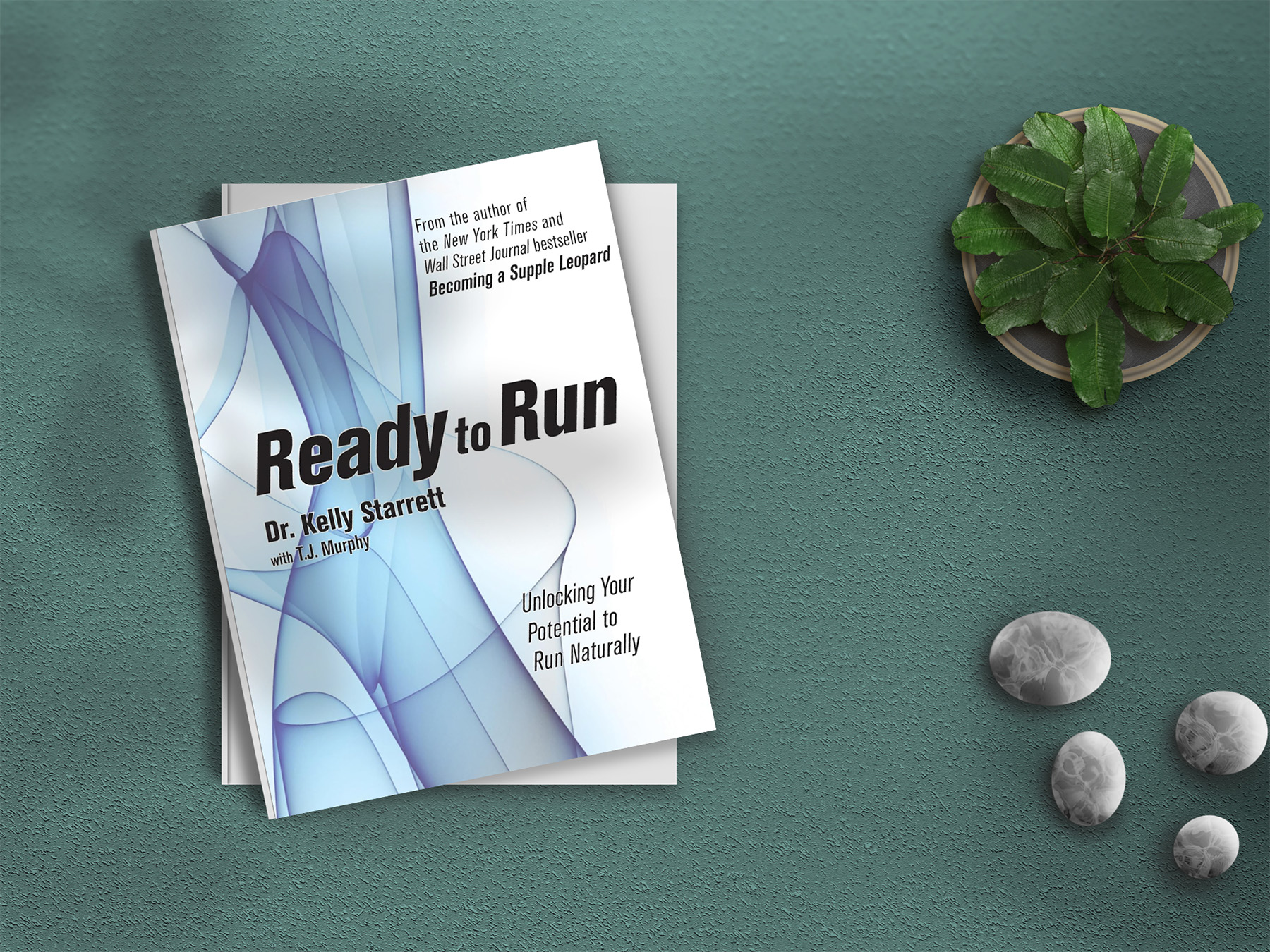
Kelly Starrett is a physical therapist who has consulted with athletes and coaches from most major sports and all branches of the US elite armed forces, and is the author of Ready to Run. Juliet Starrett is an entrepreneur and attorney, and was a professional whitewater paddler. Together, they are co-founders of The Ready State online mobility program. This latest work, Built to Move, offers 10 tests and a set of related habits that promise to help us “move freely and live fully. This is not just about exercise, but about a broader understanding of the basics of mobility, nutrition, sleep, and balance that relieve stiffness and pain and prevent injury.
My book reviews are often a kind of exercise in digital journaling of what I learn and how I want to change. Here is a quick overview of each vital sign and test, and practices to keep a body supple and durable for many years to come. These are my notes of what I want to keep doing – the book has a range of other exercises that will suit others.
1. Sit-and-Rise Test. This can be improved simply by getting off chairs and sitting cross-legged and in other positions on the floor, mobilising your hamstrings and opening your hips.
2. Breath-Hold Test. This can be improved by breathing spaciously and slowly through your nose, keeping relaxed body positions, and breathing well while loosening up your trunk. This chapter freshly motivated me both to revisit meditation and prayer practices and to more regularly practice breathing routines for sport, in ways that are integrated with deep, soulful breathing.
3. Hip Agility Couch Test. This can be improved with hip mobilisations and glute strengthening.
4. Steps-per-day Test. Aim for at least 10,000 and ideally 12,000 steps daily, and even better with some “rucking” weight. Walking helps fitness, circulation, sleep, brain function and stress control.
5. Arms Raise and Shoulder Rotation Test. This is helped by not slouching and mobilising with shoulder and back flexion, wall hangs, spiky ball mobilisations on the upper back and rotator cuff, and doing push-ups with the best form.
6. Eating Test. The 2 key barometers for this are to consume sufficient micronutrients via 800 grams of fruit and vegetables daily and sufficient protein of 1.5-2.2 grams per kg of body weight, at the upper end for athletes.
7. Squat Test. Get better by hanging in a squat daily, the deeper the better, and doing sit-stands.
8. Balance Test. Test balance on one leg with eyes closed and putting on socks and shoes while standing. Y-balance mobilisations, jump roping and self-massage of calves and feet can all help with balance.
9. Sitting Inventory. Clock how much you sit and stand, then set up a standing workstation and a dynamic sitting arrangement.
10. Sleep Hours Count. Count over 3 nights and be concerned if the average is less than 7 hours. Prepare for and invest generously in sleep quantity and quality, including good sleep hygiene – nap only before 3 pm, limit caffeine and alcohol, limit technology before bed, and wind down and cool down for bed.
My favourite story in the book was about Dave Brailsford, who took over British Cycling in 2002. The team had not won an Olympic gold medal in 76 years. Brailsford applied a business school principle of the aggregation of marginal gains to his coaching. He broke down everything that went into competitive riding and sought to improve each by 1%. The team kept their tyres clean, took their own pillows travelling, washed their hands to avoid illness, basically sought to pay attention to anything they could improve. By 2008, the team won 7 of 10 velodrome gold medals at the Beijing Olympics!
A single Built to Move vital sign on its own may not make a huge difference – but together they have the potential to really lift the level of pain-free and energy-filled living. I need that as an athlete, as a parent, as a Chaplain and an Army Officer. Starrett and Starrett have inspired me to build 10-15 minutes of mobilisations into my pre-exercise and evening routine and to give fresh attention to the foundations of breathing, nutrition, mobility and sleep.
I am not a PTI or physio, but I imagine colleagues in the health centre and PTI cell might tell us that these kinds of tests and practices will go a long way toward helping members maintain their fitness and avoid injury and medical downgrade. Built to Move is a highly recommended handbook for fostering and protecting physical body resilience, and this has benefits also for mental health and work productivity.
Notes
The publisher details are Kelly Starrett & Juliet Starrett, Built to Move: The 10 Essential Habits to Help You Move Freely and Live Fully (London: Knopf, 2023).






Comments
Start the conversation by sharing your thoughts! Please login to comment. If you don't yet have an account registration is quick and easy.