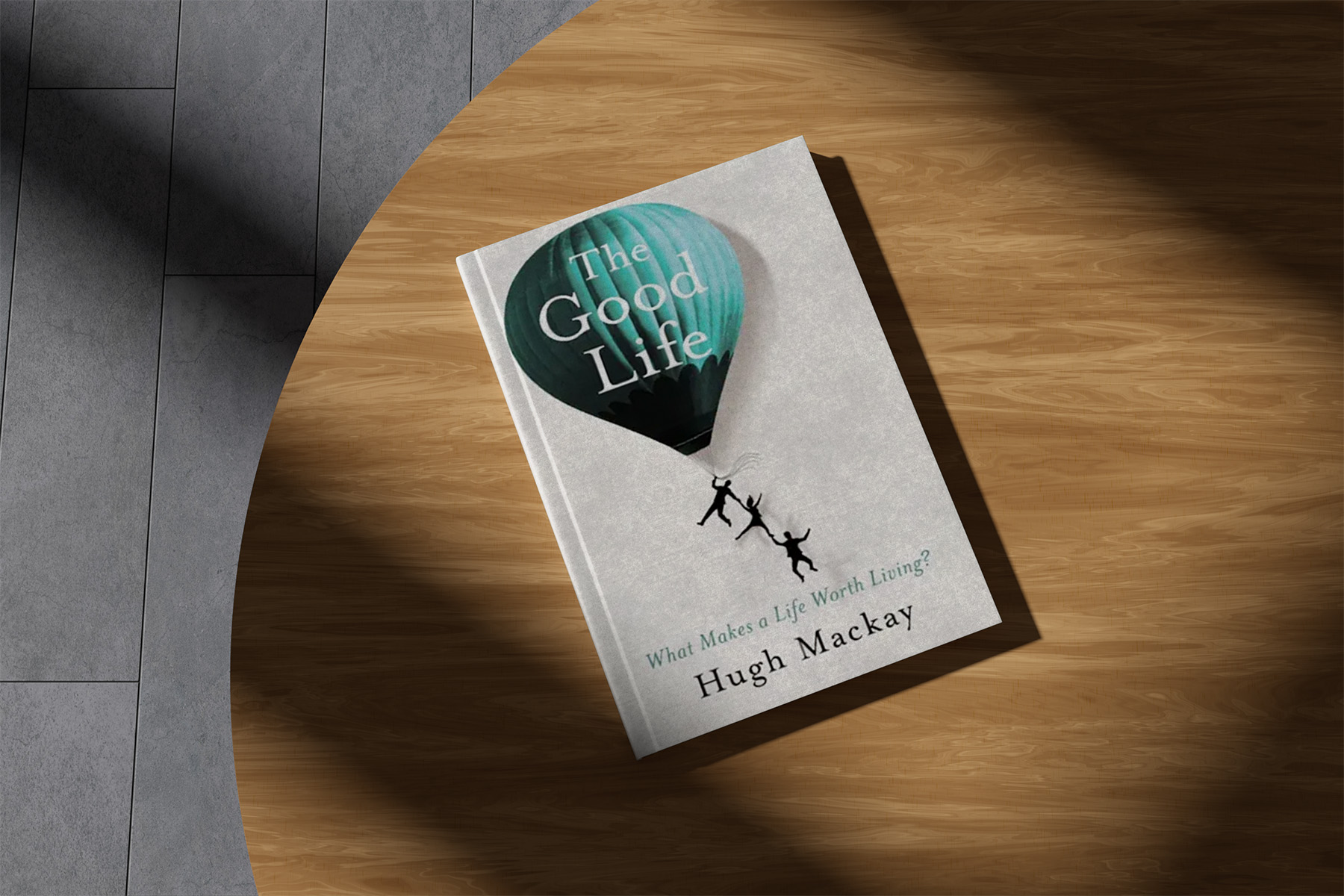
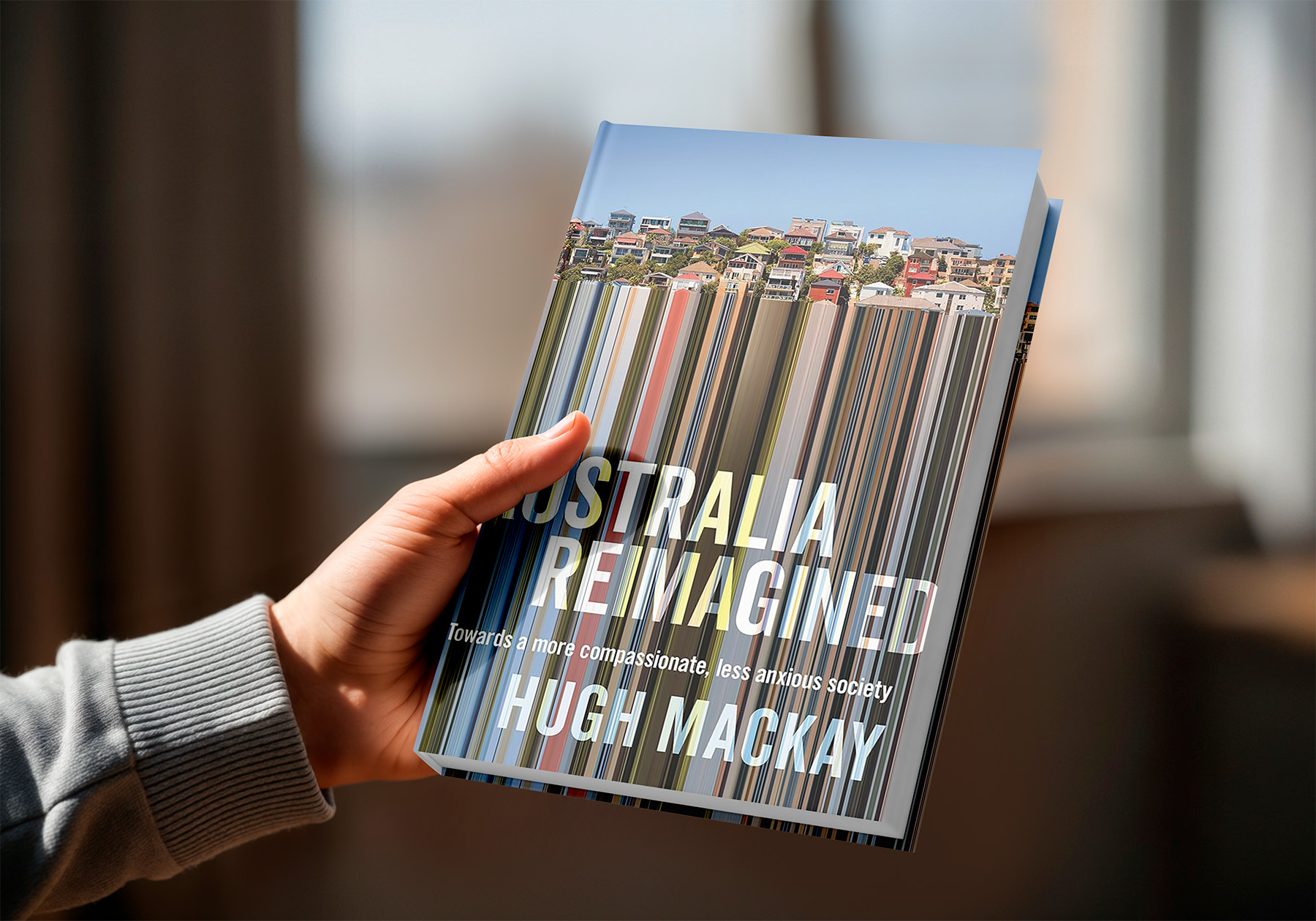
A friend asked recently for a recommendation for a book about how to make the most of life/be happy. I pointed her to The Good Life by Hugh Mackay[1], although it does not actually address how to pursue a happy life – in fact it points out the fallacy of seeking one. Seeking the good life, Mackay suggests, because of the benefits of personal fulfilment misses the point, just as seeking the symbols of the imagined good life (career, belongings, adventurous holidays, high-yield investments, perfect sex) selfishly limits our vision. What makes a life worth living is not our wealth, security, career or happiness, but our willingness to make meaningful connections and serve others.
Reading The Good Life helpfully recalibrates me away from the utopian advertising-driven message that good living is about getting what I want. It affirms the value of tough challenges and adversity. It encourages me as a parent to lift my vision beyond “just wanting my kids to be happy” and to let children have the experiences that will help them grow resilience and learn from pain and sadness, as well as appreciating happiness. It reminds me of the importance of concern for others’ wellbeing, respect for their rights and attentiveness to their needs.
These are essential steps for our own individual well-being and resilience, but also helpful guideposts for us as leaders and instructors in Defence.
My favourite chapter was “Seven false leads” that unpacked pursuits (like seeking happiness as an end in itself) that can become obsessive distractions from goodness as the primary goal: yearning for certainty, unhealthy curiosity about the future, preoccupation with “finding yourself”, searching for the meaning of life, IQ, pursuing power, wealth, status and/or fame, and the simple life. Mackay reminds me of the enduring value of living in the here and now, seeking the mystical and not just the material, and disentangling myself from driven obsessions. It is a liberating message that we don’t have to engineer our own happiness, nor expect we will necessarily be happy, as part living a good life:
“Once we focus on the idea of a good life being a valuable life, a life that contributes to others’ wellbeing, worries about our personal level of contentment or our material prosperity will fade into the background. The good life is not about being smart, rich, famous or sure of yourself. You don’t have to be the life of the party to prove you’re having a good life. You don’t even have to be at the party.” (p.157)
Although not arguing from an explicitly religious basis, Mackay points to the Golden Rule as an ultimate moral framework. Good living is not about treating others well so they will treat us well, but treating others the way you would like to be treated. Mackay emphasises that this is practised in the way we show respect for people and treat them seriously. In particular he describes three practices as the ‘great therapies of everyday life’: listening attentively, apologising sincerely and forgiving generously. The good life is more about cooperative community than competitive individualism. This is a message that the Christian gospel inspires, but it is also taught in other religions and lived by people of no explicit faith.
The Good Life is a refreshingly life-giving book that is worthwhile reading by anyone wanting to pursue goodness and finish their journey on earth with a life well lived. Reading as a Christian, I found it consistent with my values and it urged me to pursue practices that put my values into action. It also helped me understand, on the one hand, the aspirations that are in many people, whether or not motivated by religious faith, for meaningful relationships and a life of concern for others. On the other hand it reminded me of the drivenness and illusions of achievements and belongings that distract us from our ideals, and the need for recalibration.
A hobby of mine is triathlons. It is a sport that can bring out the best in people for healthy exercise and camaraderie, but it can also tend towards narcissist obsession. During one race at Cairns Ironman, however, I saw a vision for the good life capture the interest of a group of triathletes. In the days leading up to a big event there are lots of things to prepare and think about. But my swim coach and friend from our Hawthorn Triathlon Club, Briony, organised a ‘Cooking for a Cause’ event as part giving back to the community that hosts the event. It grabbed our imagination as an opportunity to get together with other triathletes – not to train our own bodies but to act in solidarity to Unhelp serve and feed others. With everything else on my To Do list, heading to St Andrews Catholic College on Friday got priority to remind ourselves that life is not all about us and our individual goals, but about serving others. Many of the two dozen triathletes who participated are looking forward to our next triathlon, but also looking forward to the next Cooking for a Cause session.
The Good Life is a welcome and much needed reminder to make the most of life not from seeking happiness or fulfilment as goals in themselves, but pursuing goodness and concern for others. Its valuable analysis draws on Mackay’s wide reading but more importantly his extensive social research and interviews with thousands of average Australians and how they grapple with living a good life.
Notes:
The book’s publisher details are Sydney: Macmillan, 2013.
An earlier version of this review was originally published in Crucible: Theology and Ministry journal, Vol 7: No. 2 (Nov 2016), https://www.crucibleonline.net/past-editions/vol-7-2-november-2016/
1 Hugh Mackay is one of Australia’s leading social psychologists and commentators, with over sixty years of research into how people and communities think, relate, and find purpose. Founder of The Mackay Report and author of more than twenty books, he has spent his career analysing the social fabric that underpins cohesion and morale—concepts vital to any military organisation. An Officer of the Order of Australia and Fellow of the Australian Psychological Society, Mackay brings deep, evidence-based insight into what drives human behaviour, trust, and resilience—making his reflections on “the good life” particularly relevant to leaders responsible for people, teams, and culture.







Comments
Start the conversation by sharing your thoughts! Please login to comment. If you don't yet have an account registration is quick and easy.